
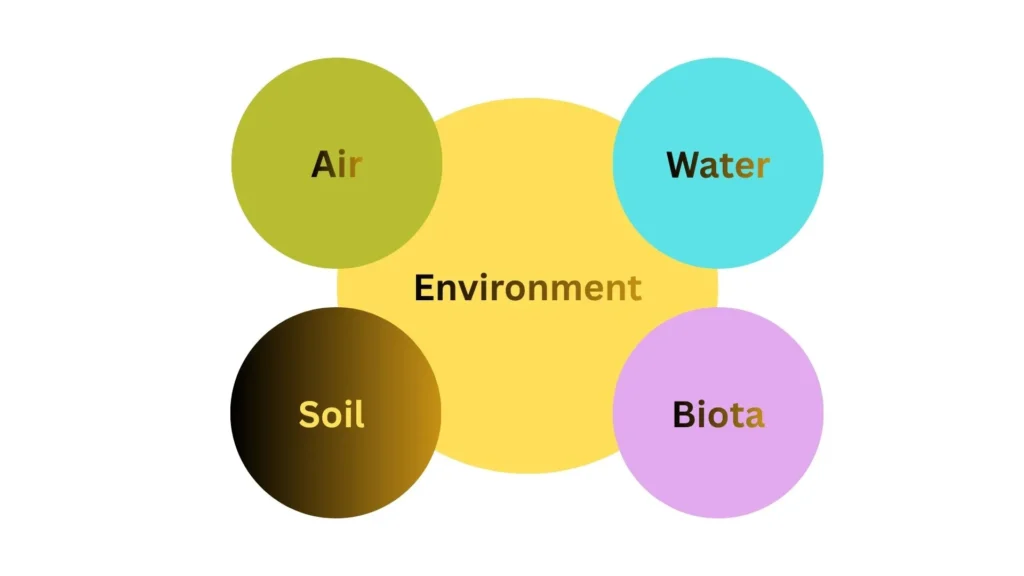
The quality of fruit begins beneath the vine. While climate and variety receive significant attention in horticulture, soil characteristics and water management are equally critical in determining fruit composition, fruit chemistry, plant vigor, and ultimately fruit quality.
Modern horticulture research confirms that soil depth, texture, drainage, water availability, nutrient dynamics, and soil biology collectively influence terroir expression and fruit maturation. Understanding these interactions allows farmers and agronomists to optimize orchard performance and improve fruit quality under diverse growing conditions.
Soil as the foundation of orchard performance
Soil provides the physical support, water reservoir, aeration, and nutrient supply required for plant growth. The physical and chemical characteristics of soils, including soil type, structure, depth, fertility, temperature, and moisture directly affect root development, nutrient absorption, canopy growth, and fruit composition.
Research indicates that orchards grown on highly permeable soils under large diurnal temperature variations exhibit:
- Faster photosynthetic rates
- Higher sugar accumulation
- Improved fruit chroma
- Enhanced palate quality
These conditions contribute to premium fruit production with greater concentration and complexity.
Influence of soil depth and water availability
Studies demonstrated that orchards grown on shallow soils produce fruits with:
- Higher soluble solids (°Brix)
- Higher pH
- Lower titratable acidity
This occurs because shallow soils generally hold less water, creating moderate stress that limits excessive vegetative growth and promotes fruit ripening.
Similarly, soils with lower water availability and reduced organic matter content resulted in increased anthocyanin concentrations in fruit skins. Anthocyanins are essential pigments responsible for fruit color intensity and antioxidant potential.
Moderate water stress during fruit maturation has consistently been associated with superior fruit quality. Several studies concluded that controlled water deficit conditions improve:
- Phenolic development
- Berry skin thickness
- Color intensity
- Flavor concentration
- Tannin structure
However, excessive drought stress can reduce photosynthesis and negatively impact yield. Therefore, precision irrigation and soil moisture monitoring are essential for maintaining optimal plant performance.
Terroir and soil-based plant vigor prediction
Terroir-induced plant vigor and fruit ripening behavior can be estimated using several soil and landscape parameters, including:
- Soil depth
- Water availability
- Natural drainage
- Rooting depth
- Slope characteristics
Understanding these parameters enables horticulturists to:
- Select suitable varieties
- Design irrigation schedules
- Predict harvest windows
- Optimize canopy management
Role of soil pH and nutrient availability
Nutrient uptake efficiency is strongly influenced by soil pH. Slightly alkaline to neutral soils generally improve nutrient availability, supporting balanced vegetative growth and enhanced fruit quality.
Key nutrients influencing grape composition include:
- Potassium (K)
- Calcium (Ca)
- Phosphorus (P)
Soils rich in phosphorus and calcium promote:
- Sugar accumulation
- Anthocyanin formation
- Aroma compound development
- Improved berry coloration
Additionally, soil microorganisms contribute significantly to nutrient cycling, root health, and secondary metabolite synthesis, influencing tannin development and fruit complexity.
Orchard soil microbiology and disease Suppression
Healthy orchard soils support beneficial microbial populations that can naturally suppress diseases and improve crop resilience.
This highlights the emerging importance of:
- Biological disease management
- Microbial inoculants
- Rhizosphere engineering
- Sustainable horticulture practices
Integrating beneficial microbes into orchard management programs may reduce chemical dependency while improving plant health and fruit quality.
How different soil types influence fruit ripening
Sandy Soils
- Early ripening
- Excellent drainage
- Warm soil temperatures
- Lower water retention
- Suitable for concentrated fruit development
Clay Soils
- Late ripening
- High water-holding capacity
- Cooler soil temperatures
- Can promote vigorous vegetative growth
Loamy Soils
- Balanced ripening
- Good balance of drainage and water retention
- Suitable for stable yields and balanced fruit composition
Silt Soils
- Delayed ripening
- Higher water retention
- Potential drainage limitations
Irrigation management based on soil type
Water management should always be adjusted according to soil texture and water-holding capacity.
Irrigation cut-off recommendations before harvest
- Sandy soils: Stop irrigation 2–4 weeks before harvest
- Fine-textured soils: Stop irrigation 4–6 weeks before harvest
This practice promotes:
- Sugar concentration
- Improved berry skin quality
- Enhanced color development
- Better flavor concentration
Estimated seasonal water requirement by soil type
Soil Type Estimated Water Requirement
Loamy Sand ~40 inches
Sandy Loam ~33 inches
Fine Sandy Loam ~30 inches
Precision irrigation scheduling using soil moisture sensors, evapotranspiration data, and canopy monitoring can significantly improve water-use efficiency and fruit quality.
Conclusion
The interaction between soil, water availability, nutrient dynamics, and microbial ecology defines orchard terroir and directly influences grape quality.
Shallow, well-drained soils with controlled water stress often produce fruits with:
- Higher sugar content
- Better color intensity
- Improved tannin structure
- Enhanced aromatic complexity
Meanwhile, balanced soil fertility, beneficial microbial activity, and precision irrigation management help maintain vine health and sustainable productivity.
As climate variability increases, soil-focused orchrd management will become increasingly important for maintaining fruit quality, improving resource efficiency, and strengthening terroir expression in modern horticulture.